
 See Our Latest Article on HelloNation
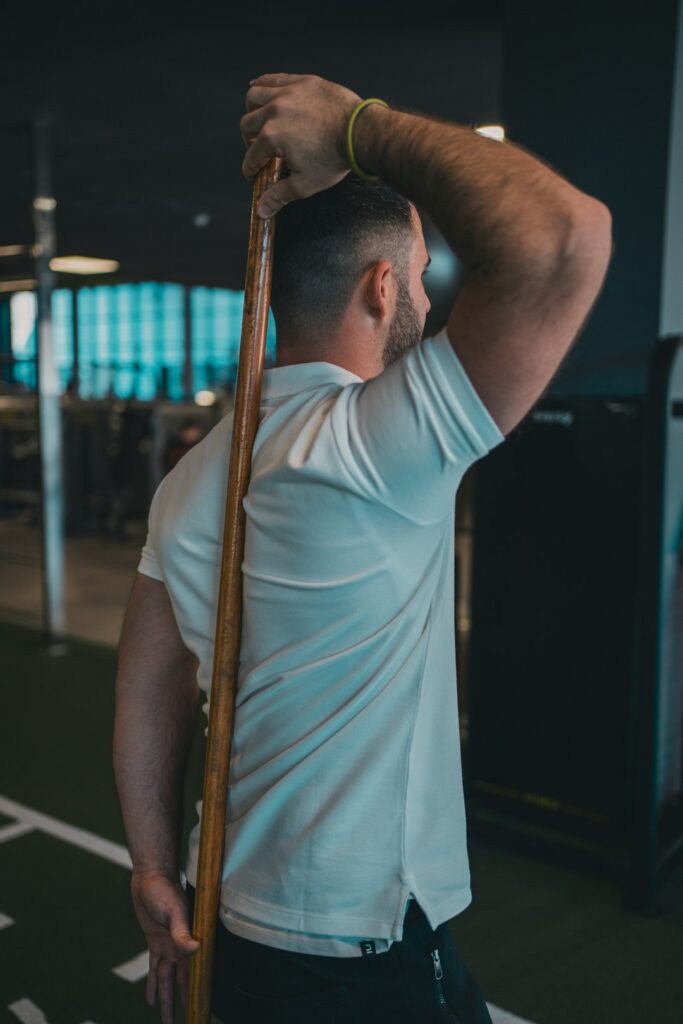
Back injuries can affect athletes in nearly any sport, from running and cycling to basketball, skiing, baseball, and recreational strength training. Many sports-related back problems develop gradually through repeated stress rather than from one dramatic accident. The most effective prevention strategy combines proper movement, gradual conditioning, adequate recovery, and attention to early warning signs.
Why do sports-related back injuries happen?
Sports-related back injuries often occur when the spine is exposed to more force, speed, or repetition than the surrounding muscles and joints can manage. Poor technique may contribute, but fatigue, sudden changes in training, and inadequate recovery are also common factors.
Typical causes include:
- Increasing training distance, weight, or intensity too quickly
- Repeating twisting, bending, jumping, or hyperextension movements
- Weakness in the hips, abdomen, or back
- Limited mobility in the hips, ankles, or upper back
- Returning to sports before an earlier injury has fully settled
- Practicing on uneven, slippery, or poorly maintained surfaces
- Ignoring pain because it seems manageable at first
Young athletes may be especially vulnerable during periods of rapid growth, while adults may face additional challenges from long workdays, prolonged sitting, or reduced conditioning during the off-season.
What should athletes do before practice or competition?
A gradual warm-up prepares the body for speed, impact, and sport-specific movement. Five to fifteen minutes of easy activity followed by dynamic movements is usually more useful than beginning with intense stretching or jumping.
A practical warm-up may include:
- Easy jogging, walking, cycling, or other low-intensity movement
- Controlled bodyweight squats
- Alternating lunges
- Arm swings and trunk rotations within a comfortable range
- Glute bridges or gentle hip-hinge movements
- Short, progressive bursts that resemble the demands of the sport
The goal is to raise body temperature and rehearse movement patterns. Warm-ups should not cause sharp pain, numbness, or increasing back discomfort. Static stretching can be included afterward or during a separate mobility session, especially when a particular sport requires flexibility.
During colder months, outdoor athletes in Brunswick may need extra time to warm up. Cold muscles and stiff clothing can make sudden sprinting, cutting, or lifting more uncomfortable. A longer low-intensity warm-up is preferable to trying to compensate with forceful stretching.
How can core and hip strength protect the back?
A strong core does more than create visible abdominal muscles. It helps the trunk resist unwanted bending, twisting, and arching while the hips and legs produce force. Hip strength also helps distribute the workload during running, jumping, lifting, and changes of direction.
Useful exercises often include:
- Side planks
- Front planks performed with steady breathing
- Bird-dog exercises
- Dead bugs
- Glute bridges
- Split squats
- Controlled hip hinges
- Resistance-band exercises for the hips
Quality matters more than quantity. The spine should remain controlled, and breathing should continue rather than being held through every repetition. Athletes who feel pain traveling into the leg, weakness, or tingling should stop the exercise and seek appropriate medical guidance.
Strength training should support the sport rather than compete with it. Two or three well-planned sessions per week may be more useful than occasional exhausting workouts followed by several days of soreness.
How quickly should training progress?
Training changes should be gradual enough that the body can adapt. A sudden increase in mileage, lifting volume, practice frequency, or game participation can overload tissues that were not prepared for the new demand.
A safer progression includes:
- Changing one major training variable at a time
- Building duration before adding high intensity
- Alternating hard sessions with easier days
- Including rest or active-recovery days
- Monitoring soreness that lasts longer than expected
- Reducing workload after illness, travel, or a prolonged break
A common misconception is that pain must become severe before training should be adjusted. Early stiffness or discomfort that repeatedly appears during the same movement is useful information. Modifying the activity at that stage may prevent a more disruptive injury.
Keeping a simple training log can reveal patterns. Recording practice duration, sleep, soreness, and notable symptoms may help identify whether problems follow long drives, intense weekend activities, inadequate rest, or particular exercises.

What movement habits reduce back strain during sports?
Good technique helps the body share force among the hips, legs, trunk, and upper body. Athletes should avoid relying on the lower back alone, especially during lifting, throwing, rowing, or movements that combine bending with rotation.
Helpful habits include:
- Keep loads close to the body when lifting
- Bend through the hips and knees instead of rounding repeatedly through the low back
- Turn with the feet when possible rather than forcefully twisting the trunk
- Maintain a stable trunk during contact, landing, and changes of direction
- Use controlled speed until a movement pattern is reliable
- Stop when fatigue causes technique to deteriorate
Coaches, parents, and recreational athletes should pay attention to form late in practice. Many injuries occur after an athlete becomes tired, when reaction time slows and stabilizing muscles cannot work as effectively.
How do equipment and playing surfaces affect injury risk?
Equipment cannot prevent every injury, but appropriate footwear, properly fitted protective gear, and suitable surfaces can reduce unnecessary stress. Worn-out shoes may change how force travels through the feet, legs, hips, and spine. Cleats or athletic shoes should match the surface and the activity.
Outdoor conditions also matter. Wet leaves, ice, mud, uneven ground, and frozen surfaces can increase the chance of slipping or landing awkwardly. In the community, seasonal transitions may require changes in footwear, warm-up time, and training location. Athletes should inspect practice areas when conditions shift and avoid treating a slippery surface as a test of balance or toughness.
For home workouts, clear enough space for the intended movement. Loose rugs, crowded rooms, and low ceilings can turn a routine exercise into an avoidable fall or sudden twist.
When is back pain a warning sign rather than normal soreness?
Mild muscle soreness after unfamiliar activity often improves with light movement and rest. Pain that is sharp, worsening, repeated, or associated with nerve symptoms deserves more attention.
Stop the activity and seek timely medical evaluation if back pain is accompanied by:
- Pain, tingling, or numbness traveling into an arm or leg
- Noticeable weakness or loss of coordination
- Difficulty walking or repeated giving-way
- Loss of bladder or bowel control
- Numbness around the inner thighs or groin
- Severe pain after a collision, fall, or direct blow
- Fever, unexplained weight loss, or pain that is intense at night
Urgent symptoms should not be managed by continuing to practice or relying only on stretching. Athletes with recurring pain, restricted movement, or symptoms that do not improve with reduced activity may also need an individualized assessment before returning to full participation.
How should athletes return after a back injury?
Returning to sport should be based on function, not simply the number of days since the injury. An athlete should generally be able to walk, bend, rotate, brace the trunk, and perform sport-specific movements without increasing symptoms before attempting full competition.
A gradual return may proceed from:
1. Daily activities without significant pain
2. Easy cardiovascular activity
3. Basic strength and mobility exercises
4. Noncontact or lower-intensity practice
5. Full-speed drills
6. Competition
If symptoms return during a step, the workload should be reduced rather than pushed through. Clear communication among the athlete, parents, coaches, and medical providers can prevent the common cycle of feeling better, returning too quickly, and being injured again.
Preventing sports-related back injuries is less about avoiding movement and more about preparing for it. Consistent conditioning, sound technique, sensible training changes, attention to local outdoor conditions, and early response to warning signs allow athletes to stay active while giving the spine the support it needs.
