
 See Our Latest Article on HelloNation
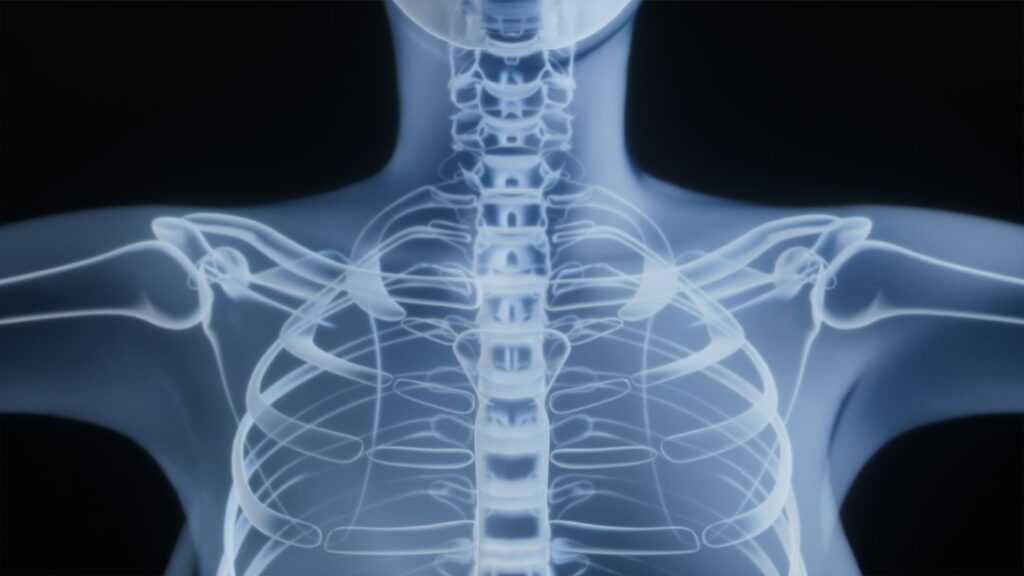
Clicking, popping, or grinding sounds in the neck are common and often harmless, especially when they occur without pain or other symptoms. The sound may come from pressure changes inside a joint, tendons moving across nearby structures, muscle tension, or normal age-related changes.
For residents of Brunswick, NY, neck sounds may become more noticeable after long drives, desk work, phone use, home projects, winter activities, or sleeping in an awkward position. The sound itself is usually less significant than what accompanies it.
What causes clicking in the neck?
Neck clicking, sometimes called crepitus, can have several causes. Most involve ordinary movement of the joints and soft tissues rather than serious damage.
Common explanations include:
- Pressure changes inside the joints: Small gas bubbles can form or shift in the fluid-filled joints of the neck. Their movement may create a popping or snapping sound.
- Tendons or ligaments moving: A tendon or ligament may glide over a bone or change position as the head turns. This can produce a brief click.
- Joint stiffness: When the neck has been held still for a long time, the first few movements may sound louder than usual.
- Muscle tightness: Tense muscles can alter how the neck moves and may make normal joint sounds more noticeable.
- Arthritis or age-related changes: Wear affecting the small joints or discs of the neck can lead to rougher movement, grating, or repeated crackling.
A painless click that occurs occasionally is generally not a reason for alarm. A new or worsening sound deserves more attention when it appears with pain, reduced movement, numbness, weakness, or other unusual symptoms.
Is neck clicking normal?
Neck clicking can be normal when it is mild, intermittent, and not associated with discomfort. Many people notice a pop when turning the head, looking over a shoulder, or gently stretching after sitting in one position.
The sound does not necessarily mean that a bone is “out of place,” that the spine is damaged, or that the neck needs to be cracked back into position. Joint noises alone cannot identify the exact cause of a problem.
A useful distinction is whether the clicking is:
- Painless or painful
- Occasional or constant
- Stable or progressively worsening
- Associated with normal movement or caused by forceful twisting
- Accompanied by symptoms affecting the arms, legs, balance, vision, or speech
The pattern matters more than the volume of the sound.
Can posture and daily habits make clicking worse?
Yes. Posture does not usually create a dangerous neck condition by itself, but prolonged positions can increase stiffness, muscle fatigue, and awareness of clicking.
Common contributors include:
- Looking down at a phone or tablet for extended periods
- Working at a computer with the screen too low
- Driving with the head held forward
- Sleeping with the neck rotated or unsupported
- Repeated overhead work, lifting, or carrying
- Holding the shoulders tense during stress
- Spending long periods indoors during colder weather with less regular movement
Seasonal routines can also play a role in Brunswick. Shoveling, clearing branches, home maintenance, recreational activities, and sudden increases in outdoor work may strain the neck and upper back if the body is not accustomed to those movements.
Changing position regularly is often more helpful than trying to maintain one rigid “perfect” posture. A screen near eye level, supported forearms, relaxed shoulders, and brief movement breaks can reduce unnecessary strain.
Does clicking mean there is arthritis?
Not necessarily. Arthritis can cause clicking, grinding, stiffness, and limited movement, but a neck that clicks is not automatically arthritic.
Age-related joint changes become more common over time, yet imaging findings do not always match symptoms. Some people have visible changes without pain, while others have significant discomfort with little obvious change on a scan.
Arthritis becomes more plausible when clicking occurs with persistent stiffness, reduced range of motion, aching that lasts for weeks, or pain that increases with certain activities. A health professional can consider the full pattern rather than relying on the sound alone.
Is it safe to crack the neck intentionally?
Gentle, natural movement is different from forcefully twisting or pulling the neck to make it crack. Repeatedly forcing the neck can irritate muscles and joints, aggravate pain, or contribute to temporary instability and nerve irritation.
People who feel compelled to crack the neck frequently may be responding to stiffness, muscle tension, habit, or an underlying movement problem. The cracking may provide brief relief without addressing the reason the neck feels restricted.

Avoid forceful self-manipulation, especially after an injury or when the neck is painful. Sudden neck movement has rarely been associated with injury to a blood vessel, so new severe symptoms after forceful twisting should be treated seriously.
What can help painless or mild clicking?
If clicking is not painful and movement is otherwise normal, simple habits may reduce stiffness and make the sound less noticeable:
- Change position every 30 to 60 minutes during seated work.
- Turn the entire upper body when checking blind spots instead of repeatedly craning the neck.
- Use slow, comfortable neck movements rather than sharp stretches.
- Apply warmth if muscles feel tight, or use a wrapped cold pack after a minor strain.
- Keep phones and reading materials closer to eye level.
- Resume activity gradually after periods of inactivity.
- Support the head and neck comfortably during sleep without forcing the neck into a bent position.
Exercises should remain gentle. Stop any movement that causes sharp pain, dizziness, spreading symptoms, or unusual weakness.
When should neck clicking be evaluated?
Clicking deserves medical attention when it is accompanied by persistent or increasing pain, swelling, marked stiffness, or a noticeable loss of motion. Evaluation is also appropriate when symptoms continue for several weeks despite reasonable self-care or interfere with work, sleep, driving, or routine activities.
Prompt assessment is especially important if there is:
- Numbness, tingling, or weakness in an arm or leg
- Pain traveling into the shoulder, arm, or hand
- Trouble with balance, walking, or coordination
- Severe headache, dizziness, fainting, vision changes, or difficulty speaking
- Fever or feeling unusually ill
- Neck pain after a collision, fall, sports injury, or other significant impact
Severe neck pain after trauma, new neurological symptoms, or neck pain with fever requires urgent medical evaluation rather than stretching or self-manipulation.
What role can a chiropractor play in assessing neck symptoms?
A chiropractor may assess neck movement, posture, muscle tension, joint mobility, and related symptoms. A careful evaluation should distinguish a routine mechanical issue from symptoms that require medical testing or urgent referral.
The most useful assessment is not simply whether the neck clicks. It considers when the sound began, what movements trigger it, whether pain is present, and whether there are neurological or systemic symptoms.
For many people, the practical goal is to understand the cause of stiffness or discomfort and choose safe movement strategies—not to make the neck crack. The sound may remain occasionally even after symptoms improve, and that alone does not necessarily indicate a problem.
