
 See Our Latest Article on HelloNation

What Are the Main Differences Between Chiropractic and Massage Therapy?
Chiropractic and massage therapy are both popular options for addressing pain, discomfort, and physical wellness, but their approaches, techniques, and intended goals are different. Chiropractic care is rooted in diagnosing and treating disorders of the spine and musculoskeletal system, often using spinal adjustments. Massage therapy, on the other hand, primarily focuses on manipulating soft tissues like muscles and tendons to promote relaxation, pain relief, and improved circulation.
Residents in Brunswick, NY may notice that these therapies are sometimes offered independently or in tandem, depending on individual needs.
How Does Chiropractic Care Work?
Chiropractic care centers on detecting and correcting joint misalignments, particularly in the spine, to relieve pressure on nerves and improve bodily function. After a physical assessment—which may include discussing symptoms, reviewing medical history, and postural analysis—a chiropractor uses hands-on adjustments to realign vertebrae or joints.
This method is commonly chosen by individuals experiencing:
- Back pain
- Neck pain
- Headaches, including migraines
- Sciatica
In certain cases, area residents consult a chiropractor for injury recovery, movement restrictions, or chronic musculoskeletal conditions. Chiropractic care can involve additional guidance about posture, stretches, or lifestyle habits to reduce recurrence of discomfort, which is especially relevant for local households impacted by long winters or home workstation setups.
What Does Massage Therapy Involve?
Massage therapy involves hands-on manipulation of soft tissues such as muscles, ligaments, and fascia. Unlike chiropractic adjustments, which target joints and bones, massage therapists use pressure, kneading, tapping, or stroking to relax muscles, reduce tension, and enhance blood flow. Sessions can be tailored for general relaxation or focused pain relief.
Common reasons residents seek massage therapy include:
- Muscle tension and spasms from physical activity or stress
- Localized pain unrelated to the spine or joints
- After strenuous work or recreational activities, especially during seasonal peaks of gardening, snow removal, or outdoor events
Massage is also commonly used by those seeking stress relief or a sense of overall well-being. While massage cannot address skeletal misalignment, it can help relax tight muscles that may otherwise contribute to posture problems or discomfort.
Are the Benefits and Goals Distinct?
Chiropractic care and massage therapy may address similar symptoms—such as back pain—but their goals differ. Chiropractic adjustments focus on restoring normal joint movement, correcting alignment, and indirectly improving nerve function. Massage therapy aims to relax muscles, decrease pain from tension, and support healthy circulation and tissue healing.
For example:
- Someone with a stiff, achy back from shoveling snow may benefit from massage therapy to reduce muscle tension.
- If that back pain reflects a deeper joint misalignment from a slip or fall on local icy sidewalks, chiropractic care could address the underlying cause.
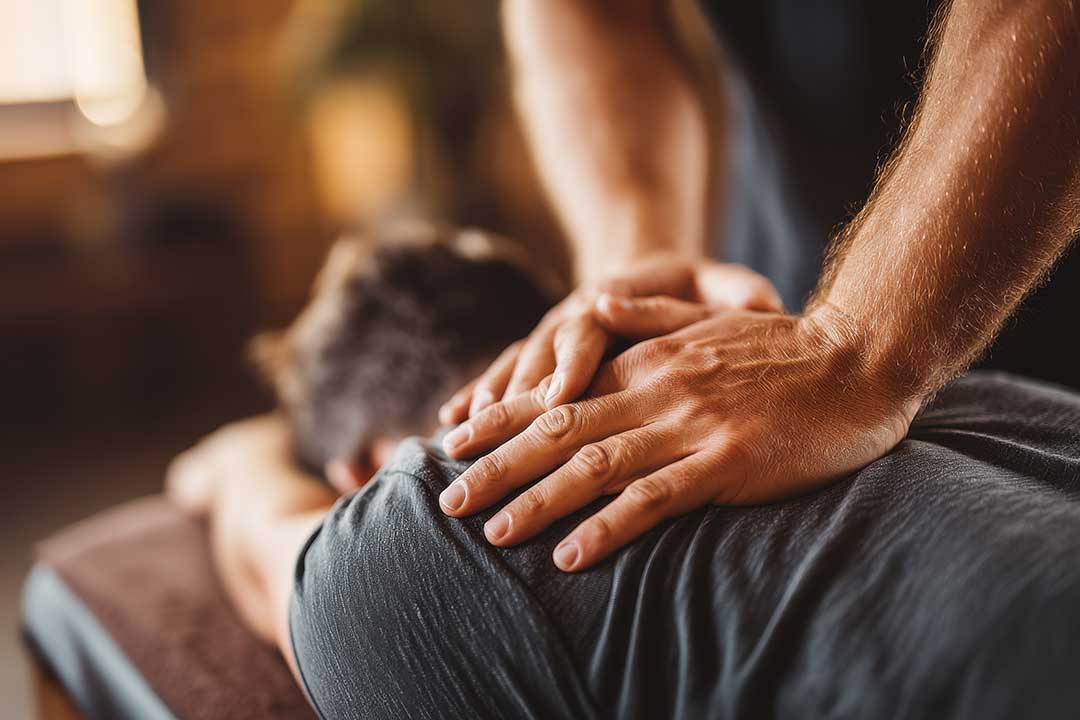
Some people choose to combine both therapies for a broader approach—using massage to relax muscles before or after a chiropractic session, for instance.
Do Chiropractors and Massage Therapists Require Different Training?
Yes, the education, licensing, and regulatory requirements are different. Chiropractors are licensed healthcare professionals who complete a doctoral program focusing on anatomy, diagnosis, and manual adjustment; they must pass national board exams and fulfill continuing education requirements specific to New York State.
Massage therapists typically complete specialized training programs in soft tissue manipulation, anatomy, and client safety, and must also obtain state licensure. Scope of practice laws are clear in distinguishing what each practitioner can or cannot do—chiropractors can legally perform joint manipulations, while massage therapists focus solely on soft tissue work.
How Should Residents Decide Which Approach to Try?
The most appropriate therapy often depends on the type and source of discomfort. If pain follows an obvious muscle strain or tension (such as after a day of home improvement project work), massage therapy can be a practical first step. For persistent pain in the neck or lower back associated with restricted movement, joint stiffness, or recurring headaches, chiropractic care may be more suitable.
In instances where individuals experience numbness, tingling, recent traumatic injuries, or symptoms that affect daily life, consulting with a licensed healthcare provider for assessment is crucial.
Common Misconceptions in the Community
Local conversations sometimes reveal misunderstandings about these therapies:
- Chiropractic and massage therapy are not interchangeable. While both can help with pain, they do so through entirely different methods.
- Neither practice is strictly for "back-cracking" or "relaxation massages." Each has its own range of techniques, including gentle approaches tailored to individual needs.
Awareness of these differences helps area residents make informed decisions, particularly when dealing with seasonal activity changes or long commutes, which are common in Brunswick.
Practical Examples Specific to the Local Area
In the aftermath of a brisk winter, area residents may experience back and muscle strain from snow clearing; massage therapy can provide relief for overworked muscles. By late summer, after extended periods of outdoor labor or sitting at local events, some may notice neck stiffness or headaches from repetitive motions or poor posture—circumstances where chiropractic care might be helpful in restoring alignment and movement.
Indoor conditions, like home office setups or television watching during colder months, can also contribute to both muscular tension and postural misalignments.
Understanding which therapy matches the specific cause of discomfort helps residents take proactive steps toward recovery and long-term well-being.
