
 See Our Latest Article on HelloNation

What Are Spinal Adjustments, and How Do They Work?
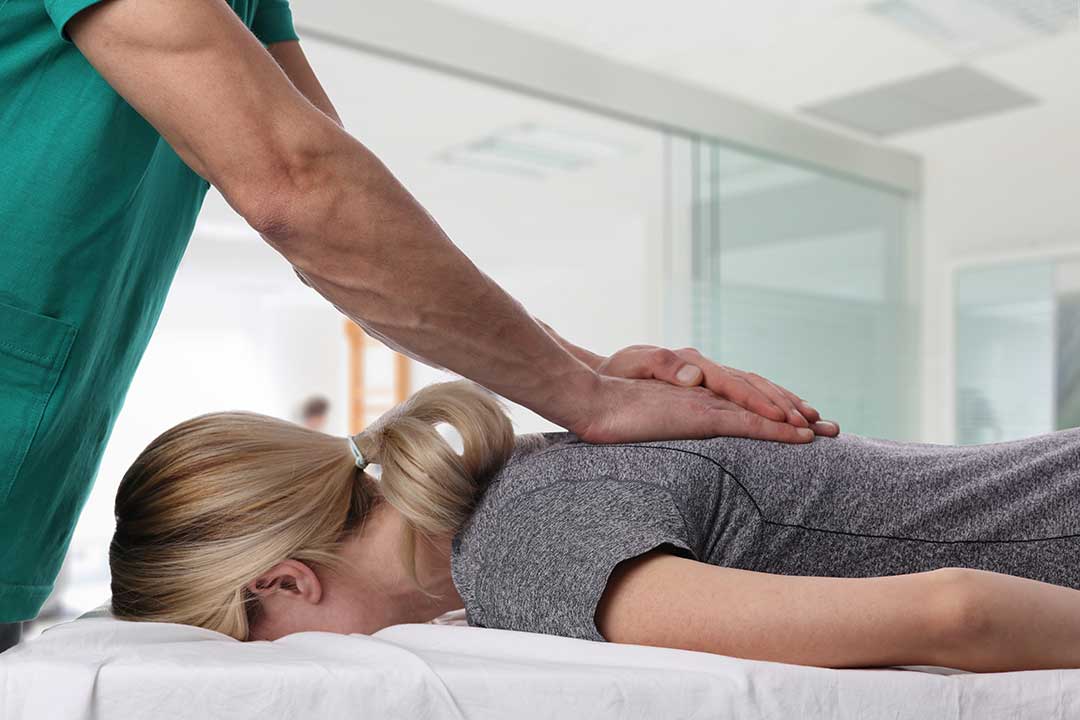
Spinal adjustments are targeted manual techniques designed to improve the movement and alignment of the spine. They are most often performed by licensed chiropractors who use their hands or small instruments to apply controlled force to specific joints in the spine. The goal is to restore mobility, reduce discomfort, and support the body's natural ability to heal itself.
During an adjustment, a practitioner feels for areas where vertebrae may not be moving properly, sometimes referred to as "joint restrictions" or "subluxations." These restrictions don't mean the bones are fully out of place, but rather that the joint's movement is limited or altered. By freeing up these areas, an adjustment can help relieve local irritation and improve overall function.
What Happens in the Spine During an Adjustment?
When a spinal adjustment is performed, the affected joint briefly separates, creating a small gap. This often causes a popping sound, which is simply the release of tiny gas bubbles from the joint fluid—a process called cavitation. This is similar to what happens when cracking knuckles and is not harmful.
Biomechanically, this movement:
- Reduces pressure on nearby nerves
- Restores normal movement to the joint
- Temporarily relaxes tight surrounding muscles
The adjustment does not force bones into new permanent positions. Rather, it improves how the joints move and interact with muscles and nerves. This can temporarily decrease stiffness, improve flexibility, and help local tissues function better so the body can manage inflammation and minor injuries.
What Does Modern Research Say About Spinal Adjustments?
Scientific studies have examined the effect of adjustments (often called spinal manipulative therapy) on various conditions, especially tension headaches, certain types of back pain, and neck pain. Many people report reduced discomfort, greater mobility, and less muscle tension after adjustments.
What’s clear from current research:
- Adjustments can be effective for some cases of acute lower back pain, tension headaches, and neck discomfort
- The effects are typically modest and short term, best supported when combined with exercise or physical therapy
- Not everyone responds the same way, and no treatment works for every person or condition
Researchers are still studying precisely how adjustments work at the nerve, muscle, and tissue level, but the consensus is that these effects relate to improved movement, reduced pain signals, and possible changes in the way the brain processes body position (proprioception).
Are Spinal Adjustments Safe?
Spinal adjustments are considered generally safe when performed by a licensed and trained practitioner. Most people experience little to no side effects beyond mild soreness, much like after starting a new exercise routine.
However, spinal adjustments aren’t appropriate for everyone. Certain conditions, such as severe osteoporosis, bone infections, or recent fractures, mean adjustments may not be advised. Area households with concerns about bone strength, especially among older adults or anyone recovering from injury, should seek proper evaluation to ensure spinal adjustments are safe for their situation.
Common Misconceptions About Spinal Adjustments
Several myths exist—for example, that an adjustment “puts bones back in place” or that regular adjustments are needed for basic wellness. In reality:
- Most joint restrictions are about limited motion, not bones being dislocated
- Regular adjustments are a choice and not required for everyone’s health
- Relief may be immediate but is often best maintained with movement, stretching, and healthy habits
What Should Residents of Brunswick, NY Know About Spinal Adjustments?
Given the four-season climate, variations in activity levels, and common household routines, local residents may notice their needs change across the year. For instance:
- Winter activities such as snow shoveling or slips on ice can cause acute back or neck strain
- Lawn work and gardening in spring and summer also commonly lead to joint and muscle tension
- Many area households enjoy hiking or walking, which can sometimes result in stiff or sore backs, especially on uneven terrain
Understanding the science behind spinal adjustments allows residents to make informed decisions about when this approach may support their goals—whether recovering from everyday strains, managing chronic stiffness, or simply wanting to move more comfortably.
How Do Spinal Adjustments Support Everyday Activities?
The practical benefit of spinal adjustments is often in helping people return more quickly to daily life when discomfort or stiffness appears. For example:
- Someone shoveling snow may experience tightness or sudden pain; an adjustment, combined with gentle stretching and rest, can help
- A parent lifting children or groceries might feel a sudden twinge that leads to a stiff back; in many cases, restoring movement to the joint relieves the issue
- Desk workers working remotely in the city can get stiff from prolonged sitting, and periodic mobility-focused care can loosen tight spots
Adjustments are just one part of a broader approach that includes movement, ergonomic changes, and self-care. They aim to restore normal movement and reduce discomfort rather than provide a cure for underlying medical conditions.
Summary: What Local Residents Usually Ask
Residents in Brunswick, NY often wonder if spinal adjustments are a quick fix or if they need regular ongoing care. The reality is that these adjustments serve as a tool for restoring mobility when injury, posture, or repetitive activities create joint restrictions. They are not a cure-all, but they can be a practical part of managing spine health—especially when balanced with your lifestyle, self-care, and awareness of when professional evaluation is needed for serious or persistent issues.
