
 See Our Latest Article on HelloNation
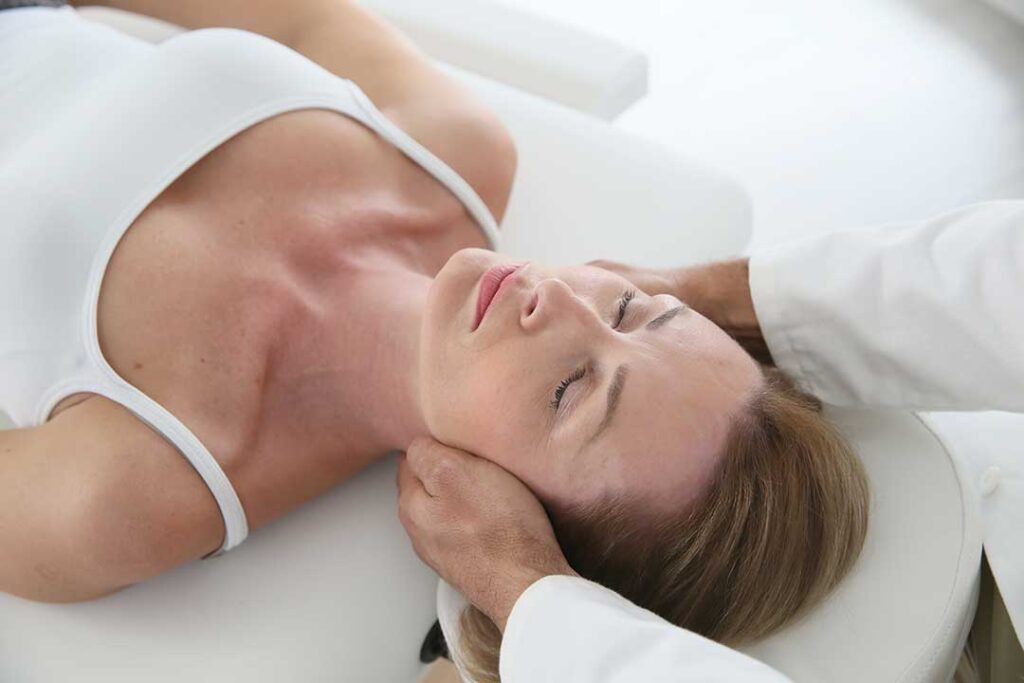
What Are Trigger Points in Muscles?
Trigger points are sensitive spots found within tight bands of muscle fibers. These spots often feel like small knots or lumps and may be tender to the touch. Trigger points can develop due to muscle overuse, strain, poor posture, or even after minor injuries. They are capable of causing both localized pain and pain that radiates to other areas—a sensation known as referred pain.
Residents of Brunswick, NY, dealing with everyday tasks such as yardwork, gardening, or snow removal may sometimes notice nagging muscle discomfort that lingers or repeats in similar patterns. In many cases, underlying trigger points may contribute to these aches.
How Do Trigger Points Cause Pain?
Trigger points irritate the surrounding nerves and tissues, leading to a variety of pain sensations. This can range from an acute, sharp pain when pressing on a particular spot, to a deep, dull ache that doesn't seem to go away. Pain often flares up with movement but can also persist at rest.
Trigger points commonly result in:
- Soreness that worsens with use
- Stiffness, especially after periods of inactivity
- Pain that seems to spread from one area to another (such as from the shoulders to the neck)
- Tenderness when pressing on the affected muscle
Locally, long hours spent shoveling snow in winter or heavy lifting during home projects can unexpectedly activate these points.
What Causes Trigger Points to Develop?
Several factors contribute to the formation of trigger points:
- Repetitive motions (like raking leaves each fall or shoveling walkways in winter)
- Poor posture, especially during desk or computer work
- Muscle injuries resulting from slips, falls, or overexertion
- Lack of movement or prolonged sitting, which commonly happens during the colder months
- Stress and tension, which can cause people to unconsciously clench muscles
The climate and routine activities in Brunswick may increase risk during both active and more sedentary seasons.
Can Trigger Points Be Confused with Other Conditions?
Yes. Muscle pain from trigger points is sometimes mistaken for other issues such as nerve compression, joint arthritis, or even simple fatigue. For example, shoulder discomfort may be blamed solely on aging when an underlying muscle knot is the actual culprit. Trigger points might also cause headaches that seem unrelated to neck or shoulder tension.
It's important for local residents to recognize that persistent muscle pain, tenderness, or restricted movement could be explained by hidden trigger points rather than more serious joint or nerve problems.
What Are Common Myths About Trigger Points?
Misconceptions about muscle knots abound. Some area residents believe:
- Trigger points only occur in athletes—when, in fact, anyone can develop them.
- All muscle aches are caused by overuse, ignoring posture or emotional tension.
- Massaging the spot is always the solution. While massage can help, some trigger points need other approaches such as stretching, improved posture, or heat application.
Understanding these myths helps reduce unnecessary worry and encourages a more practical, local approach to self-care.
What Helps Relieve Trigger Point-Related Muscle Pain?
Residents often wonder which strategies are safe and practical. Approaches to relieving pain may include:
- Gentle, targeted stretching routines—especially for muscles used frequently in yardwork or shoveling
- Applying a warm pack to the sore area to increase blood flow
- Careful, firm massage of the tender point, taking care not to overdo it
- Periodic movement breaks during desk work or TV watching to prevent muscle tightening
- Evaluating workspace ergonomics to minimize muscle strain
- Staying hydrated, as dehydration can make muscles more prone to knots
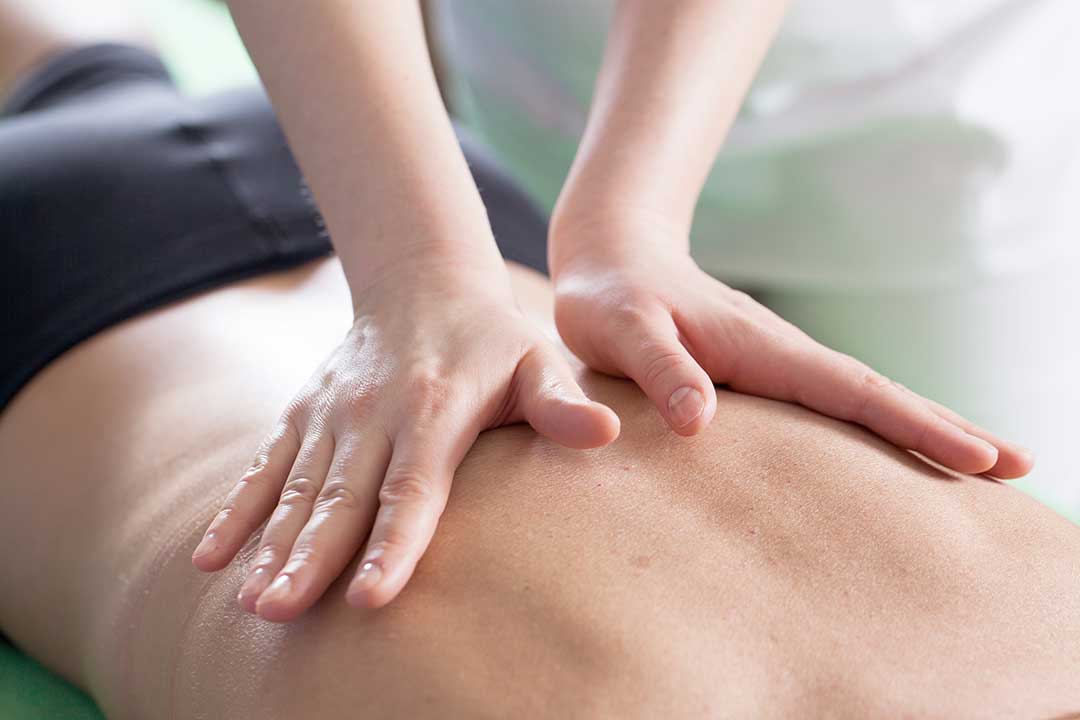
In everyday life, alternating tasks and using safe lifting strategies outdoors help reduce the likelihood of developing stubborn trigger points.
When Should Concern Be Raised About Muscle Pain?
Most muscle pain from trigger points is temporary and improves with home care. However, if pain:
- Persists for several weeks without improvement
- Severely limits movement
- Is accompanied by sudden swelling, redness, fever, or weakness
…it may be time to seek further evaluation, as these signs could indicate a condition more serious than simple muscular knots.
Can Local Climate or Lifestyle Make Trigger Points Worse?
The weather and routines common to Brunswick, NY can influence muscle tension. Cold temperatures in winter often make muscles less flexible and more prone to soreness, especially after unaccustomed activity like snow removal or heavy lifting. On rainy or humid days, people may spend more time indoors without regular movement, increasing the risk of muscle stiffness.
Adapting by gradually increasing activity, dressing in layers, and incorporating gentle movement breaks at home supports overall muscle health.
What Daily Habits Help Prevent Trigger Points?
Practical steps can help area households minimize the development and recurrence of trigger points:
- Warm up with light movement before heavier chores
- Maintain good posture while sitting, driving, or performing repetitive tasks
- Stay active year-round, even during less favorable weather
- Use supportive chairs and adjust work surfaces to reduce shoulder and neck strain
- Practice stress management—relaxation, gentle stretching, or slow breathing can ease tension before it settles into muscles
Awareness of how everyday routines affect muscle health helps residents enjoy comfort, flexibility, and fewer disruptions from nagging pain.
