
 See Our Latest Article on HelloNation

What Are Minor Back Strains and Why Do They Happen?
Minor back strains are soft tissue injuries that typically affect muscles or ligaments in the lower or mid-back. These strains occur most often after lifting heavy objects incorrectly, shoveling snow, sudden awkward movements, or even prolonged gardening—a familiar scenario for many Brunswick, NY residents, especially during seasonal chores. While initially uncomfortable, most minor strains can be managed safely at home with thoughtful self-care.
How Can I Tell If My Back Strain Is Minor?
A minor back strain usually presents with soreness, stiffness, and mild swelling. The pain is typically dull or achy and limited to a specific area, without shooting sensations into the legs, numbness, or loss of bladder/bowel control. If such serious symptoms appear, or if pain is severe following a fall, it’s best to seek medical care for evaluation. For mild cases, the injury should gradually improve within a week or two using home remedies.
What Immediate Steps Should I Take After Straining My Back?
Rest the affected area for the first 24 to 48 hours to prevent further irritation, but avoid complete bed rest for more than a day or two. In Brunswick homes, residents often find using a sturdy chair with good back support can offer comfort during acute flare-ups. Ice can be applied within the first day—15 to 20 minutes at a time—to control swelling. After the initial 48 hours, heat (a warm towel or heating pad) may help relax muscles.
Are There Specific Home Remedies That Actually Help?
Several straightforward steps can provide relief for minor strains at home:
- Cold Therapy: Use a reusable ice pack or a bag of frozen vegetables wrapped in a towel. Apply every 2-3 hours during the first 1-2 days.
- Heat Therapy: Switch to gentle heat after 48 hours, using a heating pad set on low or a microwaved moist washcloth.
- Gentle Movement: Light walking around the home or short, easy strolls through neighborhood sidewalks can help circulation and prevent stiffness. Avoid strenuous chores until strength returns.
- Over-the-Counter Pain Relief: Inflammation can be managed with non-prescription options like acetaminophen or ibuprofen, if compatible with one’s health conditions.
- Supportive Sleep Position: Sleeping with a pillow under the knees (for back sleepers) or between the knees (for side sleepers) can relieve night discomfort.
Is It Safe to Stretch or Exercise After a Back Strain?
During the first few days, skip stretching or exercising the injured area. After acute pain decreases, gentle range-of-motion movements may help. Examples include pelvic tilts, knee-to-chest stretches, or walking at a mild pace. Many in the area find light stretching indoors especially welcome during colder months, but avoid anything that causes pain or increases soreness.
What Everyday Activities Can Aggravate a Back Strain?
Common actions that impede recovery include shoveling snow, raking, prolonged bending (like cleaning or gardening), and carrying luggage up and down stairs. In seasonal climates like Brunswick, shoveling after heavy snowfalls is a particular risk. Taking frequent breaks and using ergonomic tools, or postponing strenuous yard work until soreness subsides, can prevent setbacks.
When Should I Be Concerned? Misconceptions and Safety Considerations
Not all back pain is minor. Warning signs to take seriously include:
- Tingling, numbness, or weakness in legs
- Pain after a fall or significant trauma
- Fever, chills, or unexplained weight loss with back pain
- Loss of bladder or bowel control
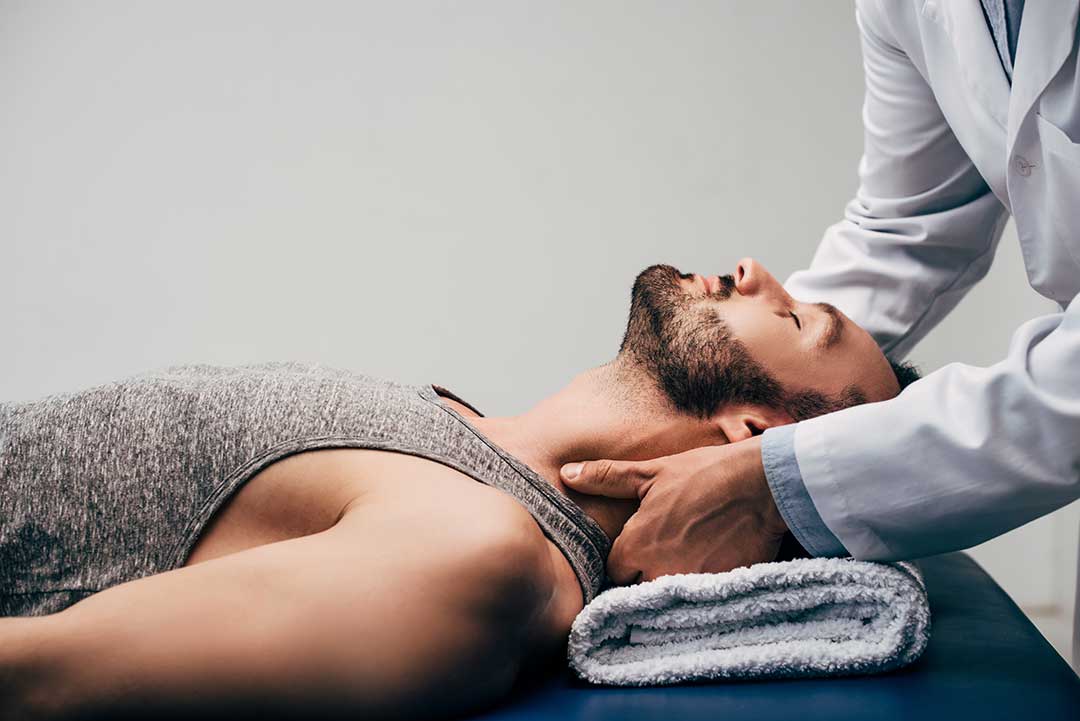
It’s a common misconception that rest alone heals all strains. In reality, getting gently active sooner helps muscles recover efficiently. Another myth: lifting with the back instead of the knees is a root cause of recurring injuries. Using proper body mechanics and awareness during home projects, especially during move-in/move-out seasons, is an essential preventive measure for area households.
Practical Local Tips for Recovery at Home
Brunswick residents often juggle demanding seasonal chores which may aggravate minor strains. Tackling snow removal or gardening incrementally—rather than in one long session—can make a difference. Taking advantage of milder weather for short walks around quiet neighborhood streets helps keep muscles limber without overexertion. Inside, using firm but comfortable seating can reduce everyday strain during long evenings at home, especially in winter.
What Should I Avoid Doing After a Minor Back Strain?
Activities to steer clear of include:
- Heavy lifting or twisting motions
- High-impact exercise (running, jumping)
- Long periods of inactivity or sitting
- Trying to “push through” severe pain
Listening to the body and gradually resuming routine tasks is the safest approach. Promptly addressing discomfort with rest, ice, or heat—and pacing return to previous activity levels—goes a long way for recovery in city households.
